Understanding Grid-Tied Solar System Basics with Backup

Solar energy has become a cornerstone of modern power solutions. It offers sustainability, cost savings, and energy independence. Among the various solar setups, grid-tied solar systems with backup stand out for their reliability and efficiency. I will walk you through the essentials of these systems, focusing on how they work, their benefits, and why they are a smart choice for homeowners and business owners in the Midwest.
Grid-Tied Solar System Basics
A grid-tied solar system connects your solar panels directly to the public electricity grid. This setup allows you to use solar power when the sun is shining and draw electricity from the grid when it is not. The system includes solar panels, an inverter, and a connection to the utility grid.
The inverter plays a crucial role. It converts the direct current (DC) generated by solar panels into alternating current (AC), which powers your home or business. When your solar panels produce more electricity than you need, the excess flows back to the grid, often earning you credits through net metering.
This system is cost-effective because it reduces your electricity bills and requires less equipment than off-grid systems. However, a standard grid-tied system shuts down during a power outage to protect utility workers. This is where backup solutions come into play.
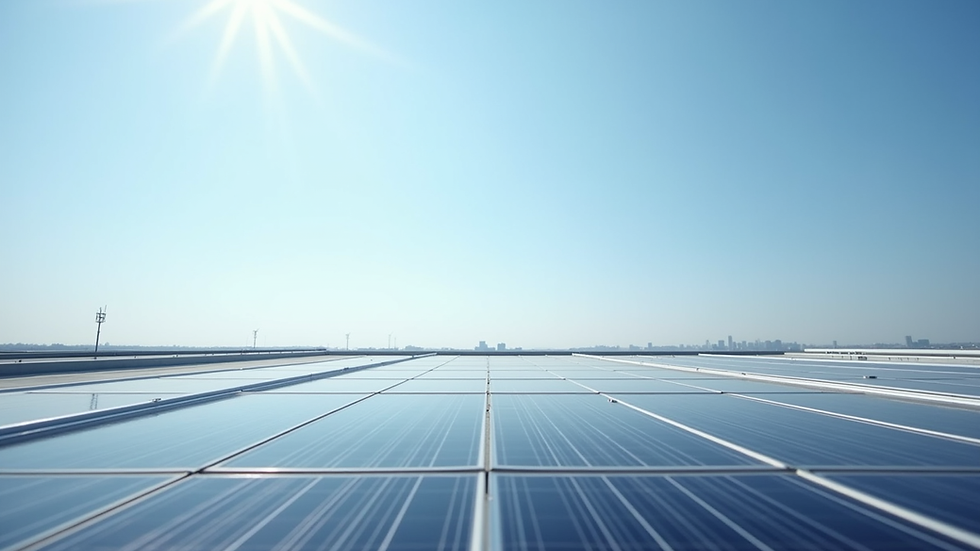
How Backup Enhances Grid-Tied Solar Systems
Adding a backup component to a grid-tied solar system changes the game. Backup systems typically include batteries that store excess solar energy. This stored energy can power your home or business during outages, providing resilience and peace of mind.
The backup system works by isolating your property from the grid during an outage. This isolation, called "islanding," ensures safety and allows your solar panels and batteries to continue supplying power independently. The inverter used in these systems is a hybrid inverter, capable of managing both grid interaction and battery charging/discharging.
For example, during a sunny day, your solar panels generate electricity. You use what you need, send excess to the grid, and charge your batteries. At night or during a blackout, your batteries discharge to keep essential appliances running.
This setup is especially valuable in the Midwest, where weather can cause unexpected power interruptions. It ensures continuous power for critical systems like heating, refrigeration, and communication.

Components of a Grid-Tied Solar System with Backup
Understanding the components helps in making informed decisions. Here are the key parts:
Solar Panels - Capture sunlight and convert it into DC electricity.
Hybrid Inverter - Converts DC to AC and manages battery charging and grid interaction.
Battery Bank - Stores excess energy for use during outages or low sunlight.
Automatic Transfer Switch (ATS) - Switches power source from grid to battery during outages.
Monitoring System - Tracks energy production, consumption, and battery status.
Each component must be carefully selected and sized based on your energy needs and local conditions. For instance, battery capacity should cover your essential loads for the expected duration of outages.
Benefits of a Grid-Tied Solar System with Backup
The combination of grid connection and battery backup offers several advantages:
Energy Security: Maintain power during outages.
Cost Savings: Reduce utility bills and avoid peak demand charges.
Environmental Impact: Lower carbon footprint by maximizing solar use.
Increased Property Value: Solar with backup is attractive to buyers.
Flexibility: Use grid power, solar power, or stored energy as needed.
This system also supports energy independence. You rely less on the grid, which can be unstable or expensive during peak times. The backup ensures you are not left in the dark when the grid fails.
Practical Recommendations for Installation and Maintenance
If you are considering a grid tied solar system with battery backup, here are some practical tips:
Assess Your Energy Needs: Calculate your average and peak loads. Identify critical appliances.
Choose Quality Components: Invest in reliable solar panels, inverters, and batteries.
Work with Experienced Installers: Proper installation ensures safety and performance.
Plan for Expansion: Design your system to allow future upgrades.
Regular Maintenance: Clean panels, check battery health, and monitor system performance.
Understand Local Regulations: Comply with utility interconnection rules and incentives.
By following these steps, you can maximize the benefits and lifespan of your solar system.
Why This System Makes Sense for Midwest Properties
The Midwest experiences a mix of weather conditions, including sunny days, storms, and occasional power outages. A grid-tied solar system with backup is ideal here because it balances cost, reliability, and sustainability.
In Kansas City, St. Louis, and Central Illinois, power interruptions can disrupt daily life and business operations. Having a backup system ensures continuity. Additionally, local incentives and net metering policies make solar investments financially attractive.
Choosing a trusted partner for your solar and battery solutions is crucial. A company that understands regional challenges and offers long-term support will help you navigate installation, maintenance, and future upgrades.
Moving Forward with Confidence
Investing in a grid-tied solar system with backup is a strategic decision. It combines the best of solar energy and battery technology to deliver reliable, clean power. With the right design and support, you can reduce your energy costs, increase resilience, and contribute to a sustainable future.
Explore your options, consult with experts, and take control of your energy needs. This system is not just an upgrade; it is a foundation for energy independence and security.
For more detailed information and tailored solutions, consider reaching out to professionals who specialize in grid tied solar system with battery backup. They can guide you through the process and ensure your investment delivers maximum value.
By understanding the technology and benefits of grid-tied solar systems with backup, you can make informed choices that protect your home or business. The future of energy is here, and it is both bright and reliable.


Comments