Residential Solar Energy Systems: Cost of Home Solar Systems and Insights

Solar energy has become a practical and increasingly popular choice for homeowners seeking to reduce energy bills and environmental impact. As someone deeply involved in solar solutions, I understand the importance of clear, precise information when considering a switch to solar power. This post breaks down the cost of home solar systems and offers insights to help you make an informed decision.
Understanding the Cost of Home Solar Systems
The cost of home solar systems varies widely depending on several factors. These include system size, panel quality, installation complexity, and local incentives. Typically, a residential solar system ranges from 5 kW to 10 kW in capacity. Larger systems generate more electricity but come with higher upfront costs.
Installation costs depend on roof type, accessibility, and labor rates in your area. For example, a simple asphalt shingle roof is easier and cheaper to install than a tile or metal roof. Additionally, some homes require electrical upgrades or structural reinforcements, which add to the total expense.
Government incentives and tax credits can significantly reduce the net cost. The federal solar investment tax credit (ITC) currently offers a 30% credit on the system cost. Many states and local utilities provide additional rebates or performance-based incentives. These programs vary by location and can change over time, so it’s essential to check current offers in your region.
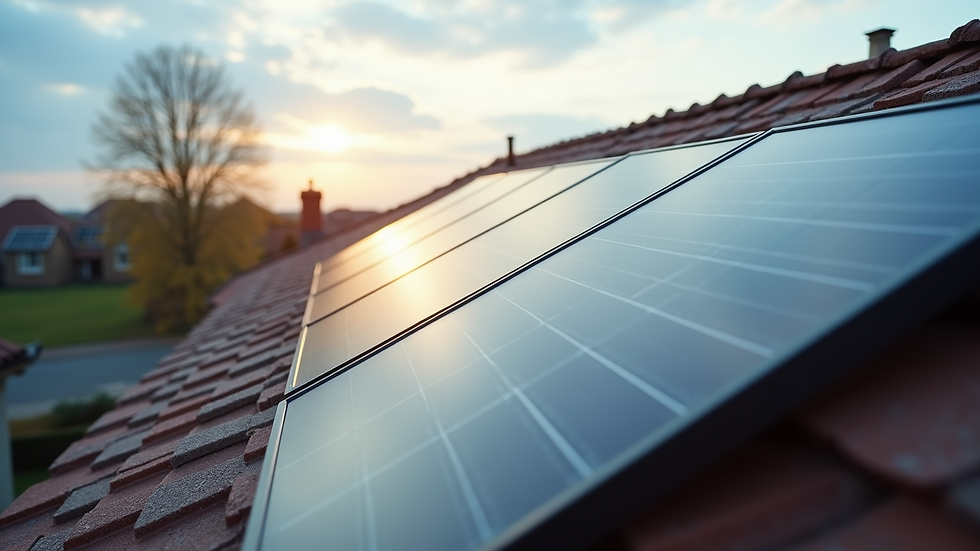
Key Components Affecting Solar System Costs
Breaking down the system cost helps clarify where your money goes. The main components include:
Solar panels: The heart of the system. Panel efficiency and brand affect price. Higher efficiency panels cost more but require less space.
Inverter: Converts DC electricity from panels to AC for home use. String inverters are common, but microinverters or power optimizers offer better performance at a higher cost.
Mounting hardware: Secures panels to the roof. Costs vary by roof type and mounting system.
Electrical components: Wiring, disconnects, and safety equipment.
Installation labor: Skilled labor is essential for a safe, code-compliant system.
Permitting and inspection fees: Required by local authorities.
Additional options like battery storage increase costs but provide backup power and energy independence. Battery prices have dropped but remain a significant investment.
What is the average cost of a residential solar system?
On average, a 6 kW residential solar system costs between $15,000 and $20,000 before incentives. After applying the federal ITC and any local rebates, the net cost often falls between $10,000 and $14,000. This range depends on system quality, installer pricing, and regional factors.
For example, in the Midwest, labor costs tend to be moderate, and several states offer incentives that improve affordability. Kansas City and St. Louis residents can expect competitive pricing due to a growing solar market and experienced installers.
It’s important to get multiple quotes and compare system specifications. Cheaper systems may use lower-quality components or offer less comprehensive warranties. Investing in a reputable installer ensures long-term performance and support.

How to Evaluate Solar System Value Beyond Cost
Cost is only one part of the equation. Consider these factors to assess the true value of a solar system:
Energy production: Look for systems designed to meet your household’s energy needs. Oversizing wastes money; undersizing limits savings.
Warranty and durability: Panels typically come with 25-year performance warranties. Inverters usually have 10-15 year warranties. Confirm what is covered.
Installer reputation: Choose installers with strong local references and proven track records.
Maintenance requirements: Solar systems require minimal maintenance but periodic cleaning and inspections help maintain efficiency.
Financing options: Many providers offer loans, leases, or power purchase agreements (PPAs). Understand the terms and long-term costs.
A well-designed system pays for itself over time through energy savings and increased home value. In the Midwest, solar systems can provide reliable performance year-round, even in winter months with proper design.
Practical Steps to Prepare for Solar Installation
Before installing a solar system, take these steps to ensure a smooth process:
Conduct an energy audit: Understand your current energy consumption and identify efficiency improvements.
Assess your roof: Check for shading, orientation, and condition. South-facing roofs with minimal shading are ideal.
Gather utility bills: Provide accurate data to your installer for system sizing.
Research incentives: Visit state and local energy offices to find current programs.
Request multiple quotes: Compare system designs, warranties, and prices.
Review contracts carefully: Ensure all costs and responsibilities are clear.
By preparing thoroughly, you avoid surprises and maximize your investment.
Long-Term Benefits and Considerations
Investing in solar energy offers more than immediate savings. Here are some long-term benefits:
Energy independence: Reduce reliance on utility companies and protect against rising electricity rates.
Environmental impact: Solar power reduces carbon footprint and supports clean energy goals.
Increased property value: Homes with solar systems often sell faster and at higher prices.
Grid resilience: Paired with battery storage, solar systems provide backup power during outages.
However, consider potential challenges:
System lifespan: Panels degrade slowly but may need replacement after 25-30 years.
Technological advances: Newer, more efficient panels may become available, but current systems remain effective.
Home resale: Some buyers may be unfamiliar with solar benefits; clear documentation helps.
Overall, solar energy is a sound investment for homeowners seeking stability and sustainability.
Partnering with a Trusted Solar Provider
Choosing the right solar partner is critical. A reliable provider offers:
Transparent pricing and detailed proposals
Local expertise and knowledge of regional incentives
Ongoing support and maintenance services
Customized solutions tailored to your home and goals
In Kansas City, St. Louis, and Central Illinois, I recommend working with companies committed to long-term customer satisfaction. This ensures your solar investment delivers consistent value and peace of mind.
For those interested in exploring options, understanding the residential solar energy systems cost is a great first step. It helps set realistic expectations and guides your decision-making process.
Solar energy is no longer a niche technology. It is a practical, cost-effective solution for homeowners ready to take control of their energy future. By understanding the cost of home solar systems and the factors influencing them, you can confidently move forward with a system that fits your needs and budget.


Comments