Breaking Down the Costs of Residential Solar: Understanding the Cost of Home Solar
- Dan Fuqua
- May 11
- 3 min read

Switching to solar energy is a smart move for many homeowners. It reduces electricity bills and increases property value. But before making the leap, understanding the cost of home solar is crucial. Solar systems involve upfront investment, but the long-term benefits often outweigh the initial expense. I will break down the costs involved, explain what affects pricing, and help you make an informed decision.
The Cost of Home Solar: What You Need to Know
The cost of home solar depends on several factors. These include system size, equipment quality, installation complexity, and local incentives. Each element plays a role in the final price.
System size is the biggest factor. Larger systems generate more power but cost more upfront. Most residential solar systems range from 4 kW to 10 kW. The average system size for a typical home is about 6 kW.
Equipment quality also matters. High-efficiency solar panels and reliable inverters cost more but deliver better performance and durability. Cheaper components may save money initially but can lead to higher maintenance costs.
Installation complexity varies by roof type, shading, and location. A simple, south-facing roof costs less to install on than a complex roof with multiple angles or heavy shading.
Finally, local incentives and rebates can significantly reduce costs. Federal tax credits, state programs, and utility rebates all help lower the net price.
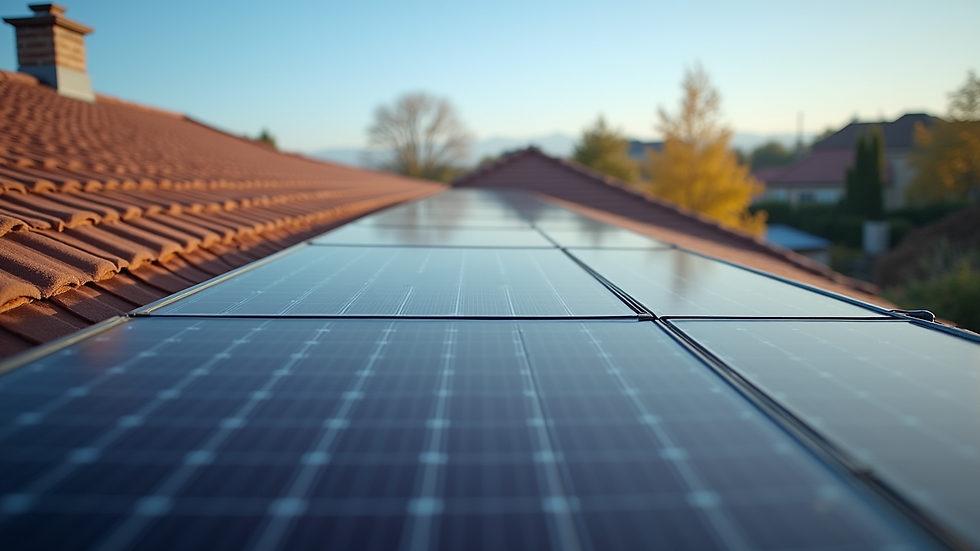
What is the average cost of a residential solar system?
The average cost of a residential solar system in the US typically falls between $15,000 and $25,000 before incentives. This price includes panels, inverters, mounting hardware, and installation labor.
After applying the federal solar investment tax credit (ITC), which currently offers a 30% credit, the net cost can drop to around $10,500 to $17,500. Some states and local utilities provide additional rebates or performance-based incentives, further reducing the price.
For example, a 6 kW system might cost $18,000 before incentives. After the 30% federal tax credit, the cost drops to $12,600. If your state offers a $1,000 rebate, your final cost is $11,600.
Keep in mind that prices vary by region and installer. Midwest homeowners often see competitive pricing due to growing solar markets in Kansas City, St. Louis, and Central Illinois.
Breaking Down the Components of Solar Costs
Understanding the components of the total cost helps clarify where your money goes. Here is a detailed breakdown:
Solar Panels (40-50%)
Panels are the heart of the system. Prices vary by brand, efficiency, and technology. Monocrystalline panels are more efficient but cost more than polycrystalline.
Inverter (10-15%)
The inverter converts DC electricity from panels into usable AC power. String inverters are common and affordable. Microinverters or power optimizers cost more but improve performance in shaded conditions.
Mounting and Racking (10-15%)
This hardware secures panels to your roof or ground. Roof type and mounting complexity affect this cost.
Installation Labor (15-20%)
Skilled labor is essential for safe, code-compliant installation. Labor costs vary by region and installer experience.
Permitting and Inspection (5-10%)
Local permits and inspections ensure your system meets regulations. Fees vary by municipality.
Additional Equipment and Services (5-10%)
This includes wiring, monitoring systems, and sometimes battery storage if added.

How to Reduce Your Residential Solar Energy Systems Cost
You can take several steps to reduce your overall solar investment:
Shop around for quotes. Get multiple estimates from reputable installers. Compare equipment quality, warranties, and service.
Maximize incentives. Research federal, state, and local programs. Some utilities offer performance-based incentives that pay you for the energy you produce.
Choose the right system size. Avoid oversizing your system. Analyze your energy usage and select a system that meets your needs without excess capacity.
Consider financing options. Many companies offer solar loans or leases. Loans allow you to own the system and benefit from tax credits. Leases reduce upfront costs but may limit savings.
Maintain your system. Regular cleaning and inspections keep your system efficient and extend its lifespan.
By understanding the components and exploring cost-saving strategies, you can make solar energy affordable and practical.
Long-Term Value and Savings of Residential Solar
While the upfront cost is significant, the long-term savings are compelling. Solar panels typically last 25-30 years with minimal maintenance. Over this period, you can expect:
Reduced electricity bills. Solar energy offsets your grid consumption, lowering monthly costs.
Protection against rising energy prices. Locking in your energy costs protects you from utility rate hikes.
Increased home value. Studies show homes with solar sell faster and at higher prices.
Environmental benefits. Solar reduces your carbon footprint and reliance on fossil fuels.
Calculating your return on investment (ROI) involves comparing installation costs with energy savings over time. Many homeowners see payback periods of 7-12 years, depending on local electricity rates and incentives.
Switching to solar is a strategic investment. Understanding the residential solar energy systems cost helps you plan wisely. With the right system and support, solar energy can provide stable, long-term benefits for your home and community.


Comments